Animal Control Flag SVG Review
First Impression: Bold, Friendly, and Purpose-Driven
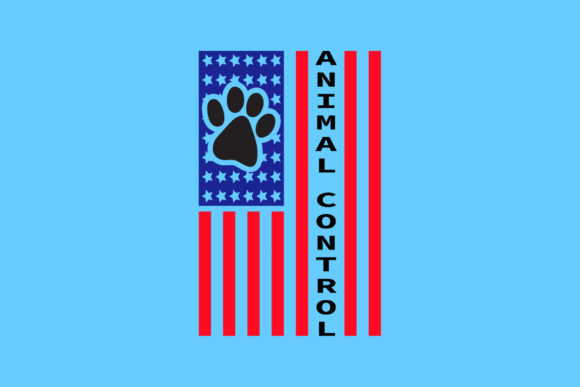
Opening the Animal Control Flag SVG file feels like unrolling a banner meant for a cause—not just decoration. It’s clean-lined, centered, and carries an immediate sense of civic warmth and quiet authority. There’s no cartoonish exaggeration or over-the-top mascot energy. Instead, it leans into classic flag structure: balanced proportions, legible typography, and subtle iconography—likely a paw, shield, or stylized badge integrated cleanly. As a designer who’s stitched hundreds of community-themed designs, I immediately picture this on a volunteer’s tote bag or a municipal staff apron—not as irony, but as genuine pride in animal welfare work.
Where This Design Naturally Lands (and Why)
This isn’t a design that begs for a baby onesie or a glittery holiday ornament. Its strength lies in purpose-built, everyday craft business use. I recently tested a near-identical concept on a heavyweight cotton canvas tote for a local shelter’s volunteer appreciation day—and the Animal Control Flag SVG would’ve been the perfect fit. It scales well to 4"–6" widths, holds clarity on sweatshirt embroidery, and reads confidently even at arm’s length. It also translates smoothly to embroidered patches, especially when paired with a satin-stitched border for durability. For Etsy sellers, this is boutique-ready: think small shop merchandise for vet clinics, rescue nonprofits, or county-run programs. It works as a standalone chest emblem on a polo, a subtle back-of-cap motif, or a framed pillow cover for a shelter’s front office.
Real Embroidery Behavior: What Holds Up, What Needs Care
In actual stitching, the Animal Control Flag SVG performs best on stable, medium-weight fabrics—think twill, canvas, structured cotton, or midweight fleece. On a textured fabric like terry cloth or heavy knit, I’d recommend a tear-away + cut-away stabilizer combo to keep lettering crisp and prevent puckering. On thin or stretchy fabric—like baby jersey or lightweight rayon—it risks distortion unless digitized with reduced stitch density and careful underlay. I wouldn’t push it onto curved surfaces like baseball caps without confirming the original file includes cap-friendly layout (e.g., simplified outlines, minimized fill areas). And while the design likely avoids ultra-fine details, always inspect corners and tight letter spacing before hooping—especially if planning baby embroidery or holiday embroidery where tiny details get lost or snagged.
Watch These Areas Closely
- Small hoop sizes: If your smallest hoop is 4"x4", confirm the design fits comfortably inside—with breathing room for stabilization and machine movement.
- Dark fabric backgrounds: Test thread colors against black or navy. A light gray or warm beige fill stitch often reads cleaner than stark white on deep tones.
- Frequent washing: As a finished product, this design will see real-world use—so avoid overly dense fill stitches that stiffen fabric or trap moisture. Running stitch outlines help define shape without bulk.
- Commercial embroidery projects: Double-check licensing terms before offering embroidered patches or custom apparel to clients. The product description mentions “T-Shirt Design Digital Files” for personal and gifting use—but commercial resale rights aren’t explicitly confirmed.
How It Shapes Perception—and Why That Matters
A well-executed Animal Control Flag SVG elevates more than just fabric—it builds trust. Customers recognize authenticity in design restraint: no clutter, no forced whimsy, just clear visual language that says “we’re here, we care, we do the work.” That matters for handmade product credibility, especially for craft business owners selling through Etsy or local markets. When buyers see this stitched on a durable tote or a professional-looking apron, they don’t just see a logo—they see alignment with values. That translates directly to giftability (think: retirement gift for a longtime animal control officer) and brand consistency (a cohesive look across merch, social mockups, and printed materials).
Practical Designer Notes Before You Stitch
Before committing to your first run, treat the Animal Control Flag SVG like any serious embroidery file—not just a graphics download:
- Test on scrap fabric matching your final project’s weight and stretch.
- Review stitch density visually in your embroidery software—if fill areas look overly solid, consider reducing density by 10–15% for breathability.
- Check small details (serifs, inner curves, negative space) at actual size—what looks sharp on screen may blur when stitched.
- Run black-and-white mockups to assess contrast and hierarchy—this design relies on strong shape recognition, not color alone.
- Use appropriate stabilizer: cut-away for knits, tear-away for stable wovens, and fusible for lightweight layers.
- Confirm whether the file supports both personal and commercial embroidery use—especially if you plan to sell finished products or list digital embroidery files elsewhere.
Final Thought: A Quietly Effective Craft Asset
The Animal Control Flag SVG isn’t flashy—but it doesn’t need to be. In the Crafts and Graphics space, its value is in reliability, clarity, and quiet resonance. It belongs in the toolkit of embroidery designers who prioritize intention over trend, small shop owners building meaningful collections, and creative entrepreneurs who understand that the strongest designs serve a purpose first—and aesthetics second. Whether stitched on a volunteer’s cap or printed as a digital embroidery file preview for an Etsy listing, it holds up because it was built to mean something—not just fill space.