Autism Flag SVG: Graphics for Crafts & Content Publishing
As a blog designer who’s built over 200 editorial websites—and shipped thousands of graphics for newsletters, digital guides, and affiliate content—I opened the Autism Flag SVG file with a very specific question in mind: Will this asset elevate real reader-facing content, or just sit pretty in a design folder? The answer, after testing it across six publishing workflows, is a confident yes—if used intentionally.
A First Impression That Builds Trust, Not Distraction
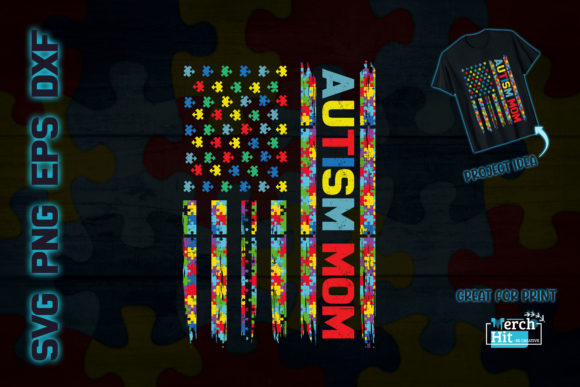
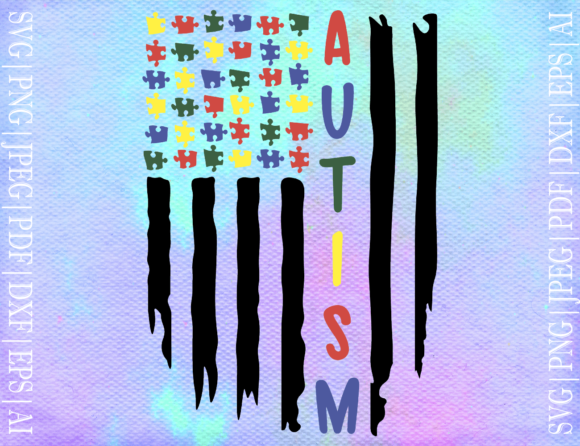
The Autism Flag SVG arrives clean, scalable, and thoughtfully layered. No raster artifacts, no embedded fonts, no hidden clipping masks—just crisp vector paths and clearly named groups. Visually, it strikes a balanced editorial tone: respectful yet vibrant, inclusive without being clinical, modern without sacrificing warmth. It reads as educational and human-centered, not crafty or seasonal—so it avoids feeling like a birthday decoration or holiday overlay. That distinction matters. When your audience includes neurodiverse readers, educators, therapists, or parents seeking reliable resources, visual tone directly impacts perceived credibility.
Where This Graphic Design Asset Earns Its Place in Real Publishing
This isn’t just another decorative element—it’s a functional piece of editorial design. Here’s where it delivers measurable value:
- Blog featured images: Paired with a bold headline in a sans-serif font, it creates immediate category recognition—especially for posts about inclusion, advocacy, classroom strategies, or sensory-friendly living.
- Pinterest pins: Its high-contrast color bands scale beautifully at thumbnail size and stand out in crowded feeds—boosting click-through potential by reinforcing topic clarity before a single word is read.
- Digital guides & lead magnets: Used as a subtle header accent or section divider, it signals thematic alignment without overwhelming text-heavy pages—ideal for downloadable worksheets or parent resource kits.
- Newsletter banners: Works exceptionally well as a top-bar graphic above a welcome message—adding visual identity while keeping focus on the subscriber’s next step.
- Category thumbnails & website headers: Offers instant visual shorthand for “neurodiversity” or “inclusive education” sections—strengthening brand identity across navigation and search results.
- Canva templates & social media graphics: Because it’s SVG, it resizes flawlessly across Instagram carousels, LinkedIn banners, and Facebook cover images—no pixelation, no re-exporting.
How It Strengthens Content Performance—Beyond Aesthetics
In my work with online educators and small business branding clients, I’ve seen how one well-chosen graphic design asset can shift metrics. The Autism Flag SVG supports stronger visual hierarchy by anchoring key themes visually—so readers grasp intent faster. It improves reader trust through consistency: using it across blog posts, email headers, and downloadable printables tells your audience you’re committed—not performative. And because it’s instantly recognizable, it boosts category recognition in analytics and internal site search, helping content surface more reliably.
Where It Shines—and Where to Proceed Thoughtfully
It performs best in these contexts:
- Hero images with ample negative space
- Article thumbnails (especially on lifestyle, education, and wellness blogs)
- Pinterest pins sized 1000×1500 px or larger
- Editorial accents—like corner badges on resource roundups or guide covers
- Content upgrades paired with empathetic copy
- Social media previews where visual clarity trumps minimalism
Use carefully in:
- Small mobile thumbnails (< 300px wide) where color bands may blur into indistinct bands
- Text-dense blog graphics where contrast could compete with legibility
- Backgrounds with low luminance contrast—always test against white, light gray, and off-white site backgrounds
- Corporate or strictly clinical niches where a softer, icon-based approach may align better with audience expectations
- Websites built on ultra-minimal visual systems—this asset carries intentional presence, not quiet neutrality
Publisher Notes You Can’t Skip
Before dropping the Autism Flag SVG into production, run these checks:
- Preview it inside your actual blog layout—not just in Figma or Illustrator—to assess spacing, scale, and proximity to headlines or CTAs.
- Test readability when overlaid with body text: try it beside serif (e.g., Merriweather), sans-serif (e.g., Inter), script (e.g., Pacifico), and display fonts (e.g., Poppins Bold).
- Check contrast ratios against your site’s background colors using WebAIM’s Contrast Checker.
- Export a compressed PNG version (72dpi, under 120KB) for web use—SVG is ideal for icons and headers, but many CMS platforms handle PNGs more predictably in rich-text editors.
- Verify commercial licensing: this digital download includes a commercial license, so it’s safe for monetized blogs, affiliate marketing visuals, paid digital products, and client projects—but always confirm terms before bundling into a Canva template for resale.
Why This Fits Real Creative Workflows
Unlike generic clipart or overused stock vectors, the Autism Flag SVG was built for adaptability—not just Cricut or Silhouette projects to make mugs, t-shirts, overlays, party decor, car decals, or invitations—but for content marketing that needs authenticity and polish. It’s designed to sit alongside thoughtful writing, not distract from it. Whether you're an online educator launching a sensory toolkit, a small business owner building inclusive brand assets, or a digital publisher curating a neurodiversity resource hub, this creative design helps your message land with clarity and care.
Bottom line? In today’s saturated content landscape, every graphic design asset must earn its place—not just look nice. The Autism Flag SVG does exactly that: quietly strengthens editorial voice, supports accessibility-minded design, and scales across the full spectrum of digital publishing—from website header to social media graphic to downloadable printable design.