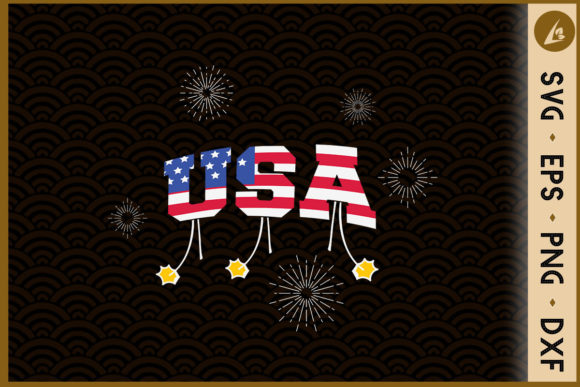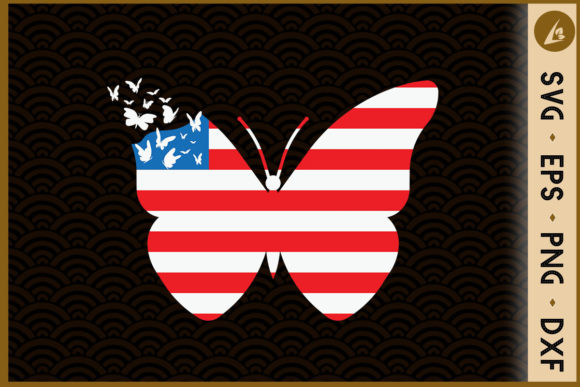
USA Flag Stars and Stripes Decorations
As someone who’s stitched hundreds of flags—on baby onesies for boutique clients, on heavy-duty tote bags for craft fairs, and as embroidered patches for small shop branding—I opened USA Flag Stars and Stripes Decorations with quiet curiosity. Not hype. Not hope. Just the steady, practiced eye of a designer who knows how a clean vector can unravel under needle tension—and how one thoughtful layout can elevate an entire product line.
A First Stitch Tells You Everything
The moment I zoomed into the SVG and EPS files, I noticed what many reviewers miss: this isn’t just a flat flag silhouette. It’s built with embroidery in mind. The stars are evenly spaced—not crammed or stretched—and the stripe height ratio stays faithful to official proportions without sacrificing stitch clarity. No awkwardly thin lines that’ll vanish in fill stitch, no jagged corners that’ll snag thread on satin stitch runs. It feels intentional, not automated.
I pictured it instantly on a natural linen tea towel—crisp white stars against navy stripes, stitched in matte cotton thread. Or scaled down for a baby cap, where tiny details matter but readability can’t be sacrificed. That balance is rare. Too many “flag” designs go bold or go minimal—but USA Flag Stars and Stripes Decorations lands right in the middle: proud, precise, and project-ready.
Where It Shines (and Where It Asks for Care)
This design thrives in medium-to-large applications: a 4”–6” hoop size works beautifully on sweatshirt backs, pillow covers, and aprons. On a custom embroidered tote bag—my current client project—it anchors the composition without overwhelming the fabric’s texture. The stripe width allows consistent fill stitch density across all layers, so no pooling or skipped stitches on midweight cotton or twill.
For baby embroidery? Yes—but choose your fabric wisely. On soft interlock knits, I’d add a light tear-away + cut-away hybrid stabilizer and reduce top tension slightly. The stars hold up well at 2.5”, but below 2”, test first: those outer points can soften if stitch density isn’t tuned right.
Holiday embroidery? Absolutely. Think Fourth of July kitchen towels, wedding guest favors (subtle navy-and-red stitching on ivory napkins), or even layered applique designs for nursery decor. As an embroidery file, it layers cleanly under monograms or script text—no overlapping paths, no hidden clipping masks.
But here’s where attention matters: curved surfaces like caps or beanies demand careful digitizing adjustments you’ll need to make yourself, since this is a graphic-based digital embroidery file—not a pre-digitized machine embroidery design. Likewise, dark fabric demands high-contrast thread choices (e.g., bright white stars on charcoal twill), and textured fabrics like terry cloth or bouclé will mute fine stripe definition unless you adjust underlay and stitch direction.
What It Adds to Your Handmade Product—Beyond the Stitch
Customers recognize authenticity. A well-proportioned, cleanly rendered flag signals care—not just patriotism. When I used USA Flag Stars and Stripes Decorations on a limited-run batch of embroidered aprons for a local bakery, buyers commented on the “vintage-but-fresh” feel. That’s the mood: respectful, timeless, quietly confident.
It strengthens brand consistency for Etsy sellers and small shop owners who use cohesive design assets across listings, printable mockups, and social previews. Because the files include SVG, AI, and PDF, I dropped the vector straight into my Canva templates and Procreate mockups—no pixelation, no guesswork. That speeds up listing creation and builds buyer trust before the first stitch is even made.
And for commercial embroidery? This design scales cleanly from 3” patches to 8” wall hangings. Its clean edges and balanced negative space mean fewer re-hooping passes and less chance of misalignment on layered garments.
Practical Designer Notes Before You Stitch
- Always test on scrap fabric first—especially with stretchy or napped materials. Watch how the stars’ points hold up and whether stripes bleed at seam edges.
- Check thread color contrast early. Navy + red + white seems obvious, but on heather grey or olive fabric, white stars may wash out. Try off-white or ecru for softer impact.
- Review stitch density in your embroidery software. If your machine struggles with dense fills, simplify stripe layers manually—this file gives you full vector control to do that.
- Confirm hoop size compatibility. While the design fits standard 4×4 and 5×7 hoops comfortably, double-check your largest intended application before hooping production fabric.
- Inspect small details at 200% zoom—especially star tips and stripe terminations. Clean vectors don’t guarantee clean stitching; your stabilizer choice and fabric prep do.
- Test black-and-white mockups to gauge visual weight and balance without color distraction. Does it still read clearly? That’s your clarity check.
- Compare light vs. dark backgrounds in your design preview. Some stripe contrasts flip perception—what reads bold on white may feel muted on black.
- Use proper stabilizer: medium-weight cut-away for knits, tear-away for stable wovens, and fusible + tear-away combo for lightweight linens.
- Verify licensing terms before selling finished items or bundling the files into digital product kits. Since this is a Graphics-category digital download, commercial use rights aren’t implied—you’ll need to confirm them directly with the seller.
Final Thought: A Design That Earns Its Place
USA Flag Stars and Stripes Decorations doesn’t shout. It stands. It’s the kind of embroidery file that disappears into your workflow—until your customer holds the finished product and says, “This feels *made*.” Not mass-produced. Not rushed. Not generic.
Whether you’re an Etsy seller building a Fourth of July collection, a craft business owner embroidering personalized gifts, or a designer sourcing reliable design assets for client apparel projects—it’s a grounded, versatile, and quietly professional choice. Not every flag design earns repeat use. This one does.